Welcome to the Follow the Folklorist blog! Founded by Rebecca Snetlesaar and currently led by Nevada State Folklorist Brad McMullen, our blog is dedicated to exploring the rich tapestry of cultures, traditions, and celebrations that make Nevada such a vibrant state. Through our two main topics, Folklife in Focus and Notes from the Field, Brad will share his unique insights and experiences, providing a captivating glimpse into the diverse and fascinating world of Nevada folk traditions. Join us on this exciting journey as we delve into the stories, customs, and heritage that shape our state’s identity. Get ready to be inspired and amazed!
Personal Experience Narratives: Cultural Foodways in Nevada
On Feb. 17, the world saw a unique alignment of different traditions – it was simultaneously the first day of Ramadan, the Lunar New Year, and Fat Tuesday, aka Mardi Gras. While each celebration belongs to different cultural traditions and has its own history, one thing that connects the three is special foods.
During Ramadan, a variety of foods are eaten at suhoor and iftar, the meals on either side of the fast. Lunar New Year celebrations involve foods that will bring luck, such as dumplings in China and sticky rice cakes in Vietnam. And Fat Tuesday is celebrated with foods like pancakes, king cakes, and paczkis; rich foods to use up the ingredients that practitioners should not use during the Lenten season of fasting that follows. Food is a major part of many cultural celebrations, and as a result, is a major part of any culture’s traditions.
Foodways is the term folklorists use to talk about traditional cuisine. It encompasses the whole process of producing and consuming food, why we eat what we eat, when we eat it, and what it means to us. Traditional foods are something that vary from culture to culture, and what might be celebrated as delicious in one place might be viewed as disgusting or immoral in another. As cultures move to new locations and mix with other cultures, foodways change and adapt new ingredients into their traditions. Today, we might associate Ireland with potatoes, Italy with tomatoes, and Thailand with chilis. All those ingredients are from the Americas and weren’t available until well after cultural exchange started to happen between the continents.
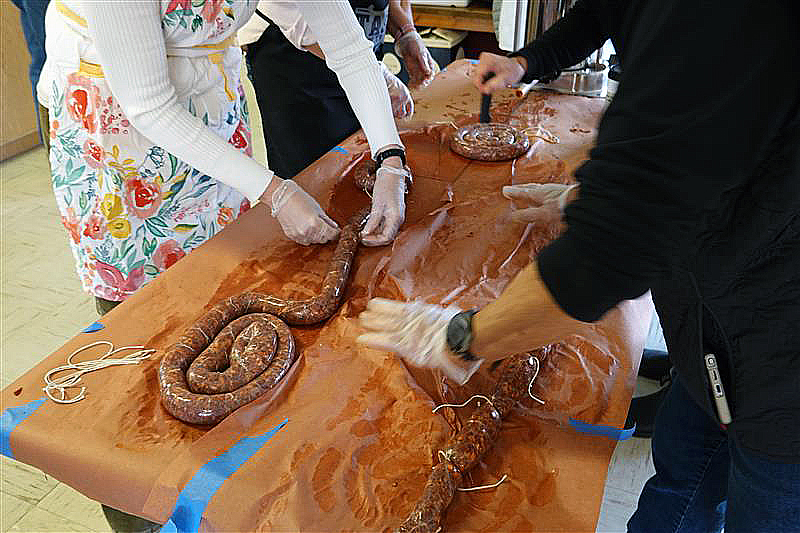
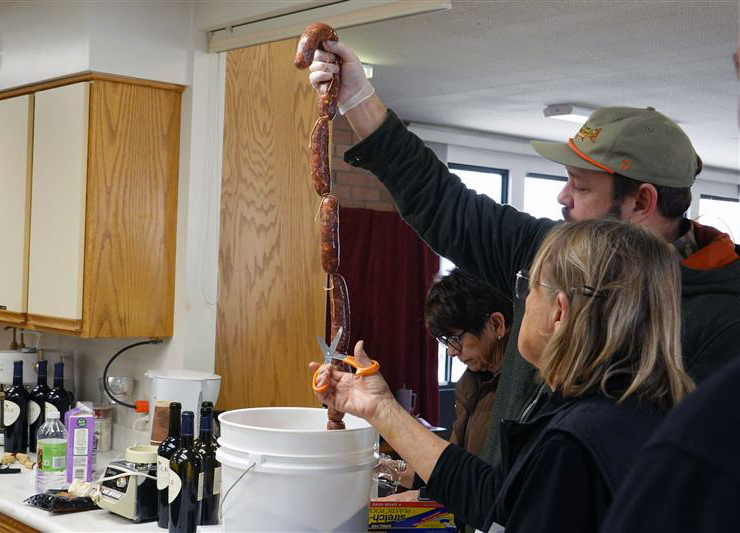
Nevada, as home to many different cultures, has a number of foods that can be considered traditional. Indigenous people have a wide range of traditional foods they have gathered and prepared since time immemorial. The Basque population has a variety of foods and drinks specific to them, including our state drink, the Picon Punch and their chorizo and cheesecakes. And we are the only continental home to a variety of Hawaiian food chains. Every Nevadan has traditional foods they enjoy and special recipes related to their culture and family. If you want to share, I’d love to hear about yours!
Visit the Nevada Folklife Archives on Flickr
Folklorists working for the Nevada Arts Council have been documenting folklife and folk arts in Nevada since 1986. After completing an ambitious 10-year project to digitize 22,823 color slides recorded between 1986 and 2005.
We’ve begun to share these images in photo albums on the Nevada Folklife Archives’ Flickr page, along with more recent photography completed over the past 15 years.
Are you conducting a project and looking for photographs? We’ll happily check the archives and post new albums for your viewing pleasure.