Nevada Arts Council 2024-2027 Strategic Plan
Strengthening the Lives of All Nevadans
Nevada Arts Council Public Purpose
The Nevada Arts Council was established as a state agency in 1967 to strengthen the creative life of the state through leadership, financial, and program support that creates opportunities for artists and arts organizations. The Nevada Arts Council ensures that every Nevada community receives the cultural, civic, economic, and educational benefits of the arts.
Arts and Creativity are the backbone of innovation and prosperity that create thriving people and places throughout Nevada. They are an economic and tourism driver. They improve health outcomes around anxiety, depression, and addiction. They enhance success in our student’s educational performance by closing the achievement gap through the key ingredient of STEAM.
The Nevada Arts Council is one of America’s 56 state and jurisdictional arts agencies serving Nevada’s metropolitan and rural communities, enlivening its public spaces, sparking economic growth, promoting health and healing, driving educational success, and fostering inclusion, equity and accessibility.
The Nevada Arts Council, a Division of the Department of Tourism and Cultural Affairs, receives funding from the State of Nevada, the National Endowment for the Arts, and other private sources.
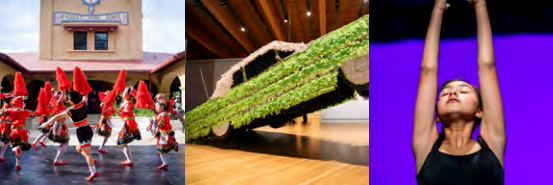
Nevadans believe the arts provide meaning to their lives and make their communities better places to live
Source: Americans Speak Out About The Arts in 2018 Ipsos Public Affairs Survey on behalf of Americans for the Arts
Nevada Arts Council Program Services
The Nevada Arts Council encompasses six program areas that work together and independently to effectively serve our diverse statewide constituency.
Artist Services – Honors and showcases the work of Nevada’s contemporary literary, performing and visual artists to the public through exhibits, grants, and outreach programs. Provides resources to artists for career development and helps Nevadans understand the vital role that artists contribute to a creative workforce.
Arts Learning – Supports the goal of lifelong learning in the arts by promoting and expanding quality arts education opportunities for all Nevada citizens. Program focus areas include Arts Education, Arts Integration, and Arts for Social Development.
Community Arts Development – Supports Nevada’s nonprofit arts and culture organization, municipalities, public institutions, and tribal governments with programs and services aimed to elevate the arts and cultural infrastructure and organizational capacity statewide.
Folklife – Supports the folk and traditional arts activities of individuals, organizations and communities through grants, consultations, and technical assistance. Promotes appreciation of Nevada’s folk, traditional arts and heritage by producing and documenting projects and exhibitions.
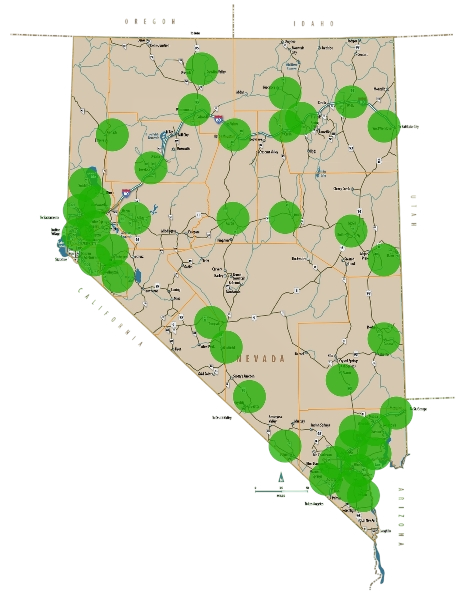
Grants – Reflects a significant commitment by Nevada and the Federal Government to support the creation of arts and the access to the arts for its citizens. In FY19-FY21, the Grants Program managed over 900 grants and awarded $3,037,402 to artists and creative organizations throughout the Nevada.
Public Initiatives – Performs a wide range of agency and constituent services that promote Nevada’s arts industry, support the agency’s mission and goals and strengthens the state’s cultural infrastructure. Objectives include partnerships, public awareness and marketing/ branding campaigns, and other special agency initiatives.
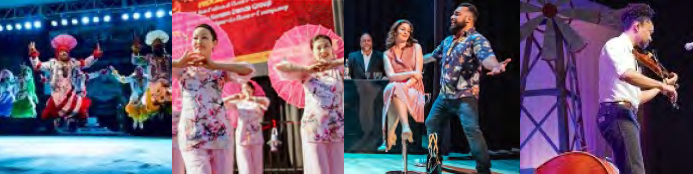
2020-2022 Grant giving
Guiding Principles
The Nevada Arts Council continually assesses who and how often they reach their constituents, ensure they are aligned to relevant community needs, and apply agency resources, including staff and funding, to expand its impact and provide awareness of these results.
Mission
To improve the lives of all Nevadans through arts and creativity.
Vision
A Nevada where art and creativity are seen as essential to our quality of life.
Core Values
Creativity: We believe in imagination as a driver of transformation.
Accessibility: Art belongs to everyone.
Inspiration: We cultivate joy, wonder, and possibility.
Community: We nurture belonging and connection.
Integrity: We are transparent, accountable, and collaborative.
Priority Areas
Agency activities ensure that all Nevadans have access to the cultural, civic, economic, health, and educational benefits of arts and creativity. The Nevada Arts Council has been listening, learning, and leading when able, to provide consistent improvements within Nevada’s underserved communities.
The goals for the Nevada Arts Council will focus agency programs and grant support into 3 priority areas:
1. Arts Education
conducting workshops, mentorships, professional development opportunities, regional and statewide convening, and funding for contemporary and traditional artists, non-profit and cultural organizations, and public institutions. In addition, increasing arts education and arts integration into the curriculum of Nevada’s Pre-K-12 schools and promoting lifelong learning through use of arts and creativity in the social development, health, and healing for all Nevada citizens.
2. Economic Vitality
Addressing Nevadans access to arts and creativity through the recovery and sustainability of artists and arts organizations by creating funding opportunities, promoting cultural tourism, collaborating with government and business, improving creative infrastructure, developing financial viable creative districts, and supporting cultural awareness, understanding, and preservation.
3. Healthy Communities
Collaborating with partners to increase the understanding, use, and financial support of arts and creativity to aid in the healing, wellbeing, quality of life initiatives, and aging of Nevada’s residents.
Strategic Goals
Goal 1: To Provide Arts Education to Nevada
Indicators
- Establish state requirements for art credits for elementary and middle school transition, and high school graduation.
- Establish a communication bridge between high school art programs and higher education arts programs and teaching programs.
- Provide lifelong training and professional development for arts educators, teaching artist, arts organizations, and artists to help them improve their practice.
- Create opportunities for artists and arts organizations to create and share their work.
- Understanding of social, racial, and cultural heritage challenges and preservation.
- Advocacy efforts that highlight and promote arts education.
Strategies
- Convene and lead statewide and district Arts Education groups.
- Create consistent workshops and training opportunities.
- Provide grant funding to arts organizations and artists that serve this focus.
- Create or connect arts organizations and artists to opportunities to showcase their work.
- Ensure that inclusiveness, diversity, equity, and accessibly drive our work.
- Create compelling marketing and communication showcasing Agency’s stories of arts educations impact.
Goal 2: To Promote Economic Vitality
Indicators
- Support the economic recovery, sustainability, and prosperity of arts organizations and artists.
- Support cultural tourism initiatives to bring tourists back to Nevada.
- Incorporate creative district designations throughout our state.
- Assist in establishing local arts agencies that are sustainable and deeply connected to their local.
- Create relationships within our underserved communities to encourage understanding and use of agency resources.
- Create opportunities for arts organizations and artists to serve this area.
- Understanding of racial and cultural heritage challenges and preservation.
- Advocacy efforts that highlight and promote economic vitality through the arts.
Strategies
- Refocus grant opportunities to account for recovery through aftermath of COVID-19 pandemic.
- Increase grant applications from underserved applicants by 15%.
- Collaborate with Travel Nevada to establish campaigns that drive tourism to arts and cultural assets of the state.
- Work with outside state arts agencies who have been successful in instituting creative district in their states to learn best practices.
- Convene state/business leaders to promote understanding and need of creative district designation.
- Work with existing local arts agencies to provide guidance on best practices and work with areas to find local champions to lead these creations.
- Develop projects to engage with historically underserved populations that integrate all NAC program areas and collaborate with trusted, outside partners.
- Provide grant funding to arts organizations and artists that serve this focus.
- Create or connect arts organizations and artists to opportunities to showcase their work.
- Ensure that inclusiveness, diversity, equitable, and accessibly drives our work.
- Create compelling marketing and communication showcasing Agency’s stories of economic impact.
Goal 3: To Support Healthy Communities
Indicators
- Support physical, mental, emotional health and recovery through the arts.
- Increase and support the understanding, value and use of the arts in the healing, wellbeing, and aging of Nevada’s residents.
- Create relationships within our underserved and marginalized communities to encourage understanding and use of resources.
- Create opportunities for arts organizations and artists.
- Understanding of racial and cultural heritage challenges and preservation.
- Advocacy efforts that highlight and promote healthy communities.
Strategies
- Determine partners, develop relationships, and create asset map for arts in the healthcare industry.
- Collaborate with healthcare providers and partners on arts integration opportunities.
- Develop projects to engage with historically underserved or marginalized populations that integrate all NAC program areas and collaborate with trusted, outside partners.
- Provide grant funding to arts organizations and artists to serve this focus.
- Create or connect arts organizations and artists to opportunities to showcase their work.
- Ensure that inclusiveness, diversity, equitable, and accessibly drives our work.
- Create compelling marketing and communication elements to support, promote and highlight healthy communities through the arts.
Planning Process
Following is the planning process used by the The Nevada Arts Council that led to the formulation of its strategic
plan for 2024-2027.
The Nevada Arts Council operates responsively based upon community needs, evaluation, and best practices as they align to its enabling legislation and mission to serve all Nevadans. In the latest state population estimates: about 27% of residents were Nevada-born—the lowest of any state—and 18.9% were foreign-born. 30.3% identified as Hispanic, 9.4% identified as Asian, 10.8% identified as Black/African American, 5.1% identified as mixed race. According to Nevada Aging and Disability Services, between 2011 and 2019 the 65 and older population increased by 46% and 85 and older increased by 20%. The 55 and older population, soon Medicare eligible, increased by 32%. Based upon information from the planning sessions, young adults 18-25 have become another underserved group. The agency works to keep up with shifting demographics and to build relationships with cultural organizations statewide, most notably through the Folklife and Community Arts Development programs.
Based upon this information, the Agency has prioritized frequent and varied points of outreach to residents. Through knowledge from its 56-year history, program work, population data, constituent feedback, and continual assessment and planning, the Nevada Arts Council has designated the following as underserved populations: rural residents, indigenous nations, people of color, residents in low socioeconomic areas, emerging artists, residents 55+, and young adults 18-25.
Outreach and evaluation to Nevadans includes in-person and virtual public meetings such as listening sessions, State of the Arts meetings, legislative hearings and meetings with the Governor’s office, Nevada Basin to Range Exchange conference, online surveys; site visits for shows and performances; social media communication on Facebook, Instagram, and YouTube; and more individualized engagement including one-on-one meetings, attendance at local arts meetings, conferences, and exhibitions; hosted professional development and workshop sessions for artists and organizations; feedback from panelists and applicants following grant panel reviews; and constant conversation with subgrantees throughout the grant application and award process. Agency staff participate in professional development opportunities provided by our regional arts organization, Western States Arts Federation (WESTAF), and the National Assembly of State Arts Agency (NASAA), many times being asked to sit on convening panels. Collectively, these points of engagement have helped to shape the Nevada Arts Council’s overall planning process.
While engagement with constituents is constant and ongoing, several noteworthy in-person meetings were convened in 2023. The Nevada Basin to Range Exchange (BRX) gathering (April) and a series of State of the Arts meetings (August/September) were welcome changes after nearly three years of virtual sessions necessitated by pandemic restrictions. BRX23 took place over 3 days in Ely, an eastern rural mountain town of roughly 4,000 residents. The goal was to facilitate rural-metropolitan collaboration centered around “Legacy.” Activities included in-person gathering, exchange activities, peer to peer collaboration and networking opportunities. Attendance included all Agency program staff and 46 participants from both rural and urban areas across Nevada: contemporary and indigenous artists, arts advocates, arts administrators, and civic leaders.
The State of the Arts (SOA) meetings were each 2-hours, in-person, and framed by a series of questions focused on community assessment, arts and culture, and experiences with the Nevada Arts Council. Although attendance roughly matched 2021 virtual sessions, the in-person engagement was substantial. Meetings were held in Las Vegas, Reno, Henderson, Carson City, Elko, and for the first time in North Las Vegas. The roughly 90 participants in all locations included artists, local arts and community organizations, and public institutions (all of which included participants representing underserved communities) such as: the Neon Museum, University of Nevada, Las Vegas, Winchester Dondero Cultural Center (Las Vegas); A.V.A. Ballet Theatre, the City of Reno, Latino Arte, University of Nevada, Reno (Reno); City of Henderson (Henderson); Brewery Arts Center (Carson City); Great Basin College, Western Folklife Center (Elko); Aliante Library (North Las Vegas) and the Oates Park Art Center (Fallon). To serve those unable to attend, the Agency deployed a 43-question State of the Arts online survey which took 30 minutes on average to complete for its 42 participants.
B2. Recommendations & Priorities: This engagement connected the Council with a cross-section of constituents from across Nevada, including members of underserved communities, elected officials, and most importantly—artists and arts organizations of every ilk. BRX23 participants expressed appreciation for the opportunity
to gather in person and gave extensive feedback on the status of specific communities; their desired community legacies; and how they, and the Nevada Arts Council, could improve for the future. SOA meetings yielded valuable information about the similar and differing challenges faced by urban and rural areas; the needs of funding and program support; competition between northern versus southern regions; continued recovery from the pandemic; and hardships of high inflation, high housing costs, and deficiencies in access to healthcare. Rural residents expressed concerns about the challenges of isolation and remoteness, heavy drug use, sustainability of their communities, and lack of infrastructure. Urban residents were concerned about how rapid growth and its effects, such as housing affordability, traffic, crime, homelessness, and mental health, impacted both the quality of life of the wider community and opportunities for creatives.
The overall outcome from these meetings revealed that the appetite for authentic, high-quality, integrated, and engaging cultural experiences for children, place-bound residents, and the public remains strong, though access can still be problematic due to rural locations and access to funding. Respondents also indicated that the Council plays a critical role through the grant funding it provides, particularly for arts organizations of all disciplines in the form of operational and non-project-related grants, and funding for arts education and individual artists. The Agency is also appreciated for its training workshops, statewide networking opportunities and is highly regarded for the program initiatives it produces. Many said they rely on its website and social media channels to stay informed.
B3. Response to Recommendations: The Nevada Arts Council is committed to expanding its work within the 3 focus areas of the Agency’s strategic plan—Arts Education, Economic Vitality, and Healthy Communities. The Agency continually assesses who and how often they reach their constituents, ensures they are aligned to relevant community needs, and applies Agency resources, including staff and funding, to expand impact and provide awareness to results. The results of its three-year evaluation will be communicated to the public through the updates to its Strategic Plan available on the Agency website. The plan will also be shared in marketing presentations and speaking engagements, and with other culture Divisions in the Department of Tourism and Cultural Affairs. A coordinated marketing and communications plan will be developed that includes traditional and new media, virtual meetings with constituents, and communication with the Governor and all state legislators. Progress towards plan goals and objectives will be tracked, evaluated, and adjusted quarterly by staff.
The Nevada Arts Council staff and board are committed to maintaining a culture of response. The ever-changing political landscape, sweeping social changes, and post-pandemic recovery and sustainability challenges in both rural and urban environs show that the Council must adapt quickly, nimbly, and willingly to changing circumstances. The Agency will continue to build a case to implement any needed classification changes and staff additions to support this work.
B4. Monitoring Organization Progress: The Nevada Arts Council derives data from multiple sources to measure and evaluate outcomes, track results, and provide information to the field from year to year. These include grant applications and final descriptive reports, statistics from the state demographer, legislative and departmental reports, in-house information gathering, reports and surveys from national organizations such as the U.S. Bureau of Economic Analysis, and industry organizations including WESTAF, NASAA, Americans for the Arts, the Arts Education Partnership, and the Education Commission of the States. The Agency engages the state’s underserved communities and population groups through ongoing communication with staff members and continues to find that personalized consultations and on-site meetings provide valuable insight and connections. The Council is required to track and provide performance measures in its biennial budget to the Governor’s Finance Office and the Nevada Legislature when it submits its biennial budget. These measurements include:
| Nevada Arts Council Performance Measures | |
|---|---|
| Number of Participants in Outreach & Program Activities | Number of Grant Requests Received, Awarded |
| Number of Artists Served | Total Amount of Grant Funding Requested |
| Number Arts Organizations Served | Total Dollar Amount Awarded to Grantees |
| Pre-K-12 Served by NAC Programs, Activities, & Grants | Total Amount of Cash/In-Kind Match |
| Cities and Counties Reached | Total Amount of Project Budgets |
In 1967 the Nevada State Legislature Formed the Nevada Arts Council
NRS 233C.020 1967, 1105; 2003, 632
The Nevada Legislature hereby determines and declares that:
- The giving of further recognition to the arts as a vital aspect of our culture and heritage is an essential means of expanding the educational programs and promoting the general welfare of the people of the State of Nevada.
- The practice, enjoyment and impact of the arts are of increasing importance to the economic vitality of communities in this state.
- Residents of this state desire increased opportunity to view, enjoy or participate in the performing, literary, visual and folk arts.
- To this end, it is the policy of the State of Nevada to join with institutions and professional organizations concerned with the arts to ensure that the role of the arts in the life of the communities of the State will continue to grow and play an ever increasing part in the cultural development and educational experience of the residents of the State of Nevada.