
Accessibility and the Arts
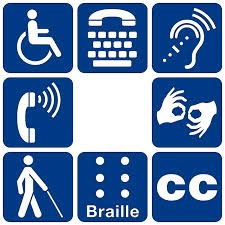
The Nevada Arts Council is committed to making the arts open and welcoming to all Nevadans. This includes people of all cultures, abilities, locations, and income levels. Everyone should have the chance to take part in arts and cultural programs.
Federal law supports this commitment. Section 504 of the Rehabilitation Act says that a qualified person with a disability cannot be excluded from a program, denied benefits, or treated unfairly simply because of their disability when that program receives federal funding.
The Nevada Arts Council asks its grantees and partners to see accessibility as both a core value and a smart business practice. One way to support inclusion is to involve people from different backgrounds in planning, running, and reviewing programs. When arts programs, spaces, and information are accessible to people with and without disabilities, organizations can reach more participants, visitors, and supporters.
Accessibility Resources
Organizations can learn more about accessibility through the National Endowment for the Arts. Their Accessibility Resources webpage includes the Design for Accessibility Handbook and an Arts Accessibility Checklist. These tools explain how to meet ADA requirements and improve access. The site also highlights programs in arts and aging, healthcare, corrections, universal design, and careers in the arts, along with examples of successful accessibility efforts from across the country.
Organizations can request resources for accessibility planning by emailing infonvartscouncil@nevada.org.
Accessibility Requirements for Grantees
All Nevada Arts Council grant recipients must follow Section 504 of the Rehabilitation Act of 1973 and the Americans with Disabilities Act (ADA). These laws require programs to be open and usable by people with disabilities. Programs should be offered in settings that allow people with disabilities to participate alongside others whenever possible. Overall, programs must be accessible when viewed as a whole.
The ADA applies to all arts organizations, even if they do not receive federal funding. It covers programs, services, activities, and employment.
Organizations that receive Nevada Arts Council funds must keep an up-to-date Accessibility Checklist, Self-Evaluation, or Accessibility Plan on file during the grant period. This document must be reviewed and updated every three years.
Accessibility in Grant Applications
Grant applications must include a Plan for Accessibility. Accessibility supports may include, but are not limited to:
- ASL interpretation and captioning
- Audio description and listening devices
- Large-print or Braille materials
- Screen-reader-friendly websites and digital content
- Sensory-friendly programs and quiet spaces
- Service animal policies
- Programs for people with physical or developmental disabilities
- Military, veteran, and family programming
- Creative aging, arts health, and arts education programs
- Free or pay-what-you-can admission options
- Programs for incarcerated populations or ESL participants
- Hiring artists, staff, or board members with disabilities
- Arts therapy programs
These efforts help ensure that Nevada’s arts programs are welcoming, inclusive, and accessible to everyone.
Contact Information
Michelle Patrick, ADA coordinator: mpatrick@arts.nv.gov | 702-486-3732
For event accommodate needs, please contact Yun Ku, Marketing & Communications Specialist: 775-220-4385 | yku@dtca.nv.gov